Introduction – Why This Episode Hit Differently
Pluribus Episode 7 felt quieter on the surface, but emotionally heavier than anything the show has delivered so far.
I didn’t feel entertained as much as I felt unsettled, reflective, and strangely uncomfortable.
This episode wasn’t about explosions, twists, or shocking reveals, but about isolation slowly eating people alive.
Episode seven asks a brutal question: what happens when freedom removes meaning, and independence turns into punishment?
Make sure to read the Pluribus episode 6 review

The Meaning Behind “The Gap”
The title “The Gap” works on multiple levels, and I think that’s why this episode lingers after it ends.
It refers not only to geography, but emotional distance, moral divides, and widening psychological fractures.
There’s the literal Darien Gap blocking Manus, but there’s also a widening gap between Carol and her humanity.
And finally, there’s the invisible gap between surviving and truly living, which defines everything in this episode.
Carol’s False Victory
When Carol realizes she cannot be joined without consent, she believes she has finally won something meaningful.
For the first time, the pressure disappears, and she behaves like someone celebrating a personal apocalypse victory.
She sings loudly, demands things aggressively, and treats the world like a playground designed only for her enjoyment.
On the surface, she looks confident and liberated, but that confidence always feels slightly forced and performative.
Power Without Purpose
At the gas station, Carol’s behavior immediately signals a troubling internal shift rather than genuine empowerment.
Her arrogance isn’t a strength; it’s someone testing boundaries because they feel empty inside.
Demanding colder drinks and better service in an empty world reveals how power without resistance becomes meaningless.
She isn’t asserting dominance; she’s desperately trying to feel something close to control.
Money Means Nothing Now
Winning money on a scratch card should feel triumphant, but the moment lands with uncomfortable irony instead.
In this world, currency is meaningless, and Carol’s excitement collapses almost immediately after it begins.
This emptiness mirrors her emotional state, where wins feel hollow, and rewards no longer satisfy deeper needs.
The show quietly reminds us that value only exists when shared, acknowledged, or connected to others.
Fireworks and Artificial Celebration
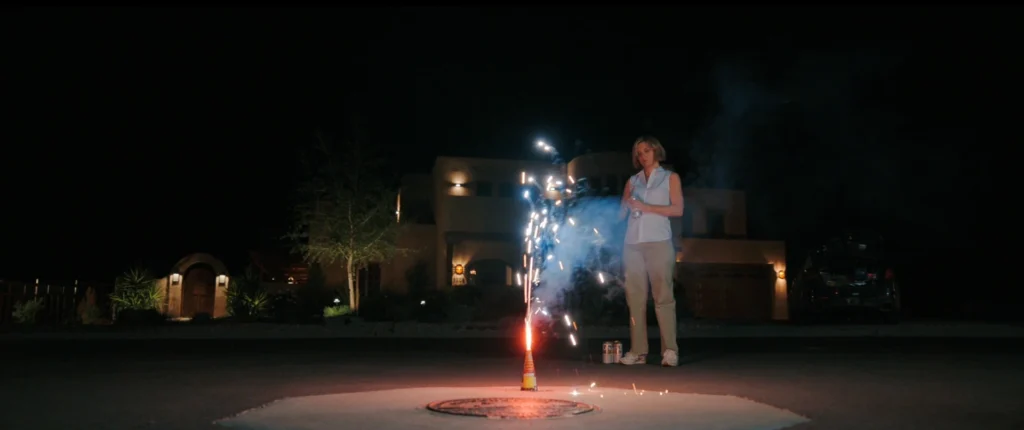
Carol’s fireworks scene feels celebratory at first, but the loneliness underneath it is painfully obvious.
Fireworks are meant to be shared moments, yet here they illuminate only her isolation.
Singing patriotic songs alone highlights how symbols of unity lose meaning without community.
Her smile feels fragile, like something practiced rather than earned through genuine joy.
The Wolves and the Illusion of Belonging
When the wolves howl in the distance, Carol’s reaction signals an important internal shift.
Instead of fear, she howls back, pretending a connection where none truly exists.
Wolves live in packs, and her response feels like a desperate imitation of belonging.
It’s a haunting moment where loneliness masquerades as bravery, and survival replaces emotional safety.

Luxury as Distraction
Carol indulges in golf, spas, luxury cars, and museums as if pleasure can replace human connection.
Each activity looks indulgent, yet none of them offer lasting satisfaction or emotional grounding.
The Rolls-Royce with “just married” decorations becomes a cruel visual metaphor for her emotional absence.
She owns everything except the one thing she truly needs: meaningful human presence.

The Belladonna Painting
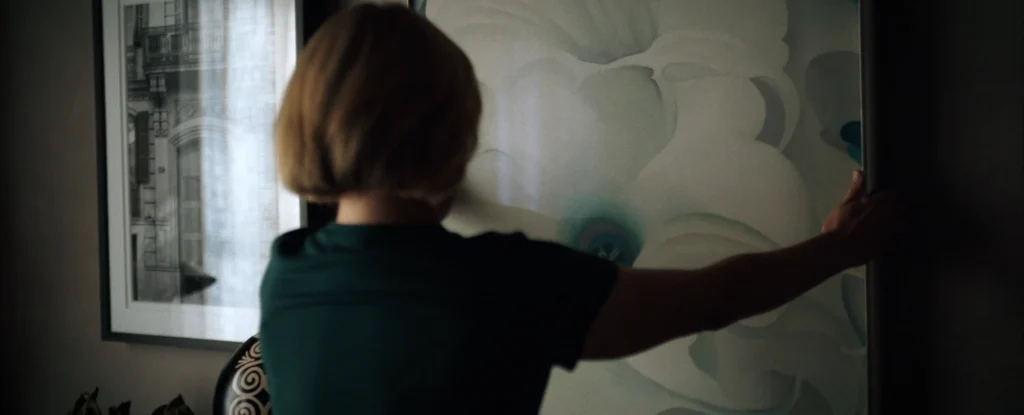
The Georgia O’Keeffe Belladonna painting quietly becomes one of the episode’s strongest symbolic elements.
Beautiful yet poisonous, it mirrors Carol’s emotional state and her dangerous influence on others.
Individuality is powerful, but unchecked independence can become destructive, just like the flower itself.
Carol admires its beauty without acknowledging its toxicity, reflecting her blindness toward her own damage.
Dining With Ghosts
Carol’s dinner scene is emotionally devastating without needing dialogue or dramatic confrontation.
She recreates meals tied to her memories with Helen, turning nostalgia into emotional self-harm.
It feels like a date with someone who can never return, deepening her unresolved grief.
This moment confirms she isn’t enjoying freedom; she’s reliving loss repeatedly.

“I Will Survive” and Emotional Collapse
The player piano playing “I Will Survive” becomes a cruel irony rather than a triumphant anthem.
Survival here isn’t strength; it’s endurance without meaning or hope.
Her expression collapses because she realizes she’s only existing, not healing or growing.
This is the moment her mask finally cracks, even though she keeps moving forward mechanically.
Manus – The Moral Opposite
While Carol indulges in comfort, Manus suffers physically while clinging to personal integrity.
His journey represents resistance, faith, and moral consistency in a world that has abandoned structure.
Manus refuses shortcuts, help, or luxury if it compromises his principles.
That stubbornness makes him the emotional anchor of this episode, despite minimal dialogue.
Respect in a Worthless World
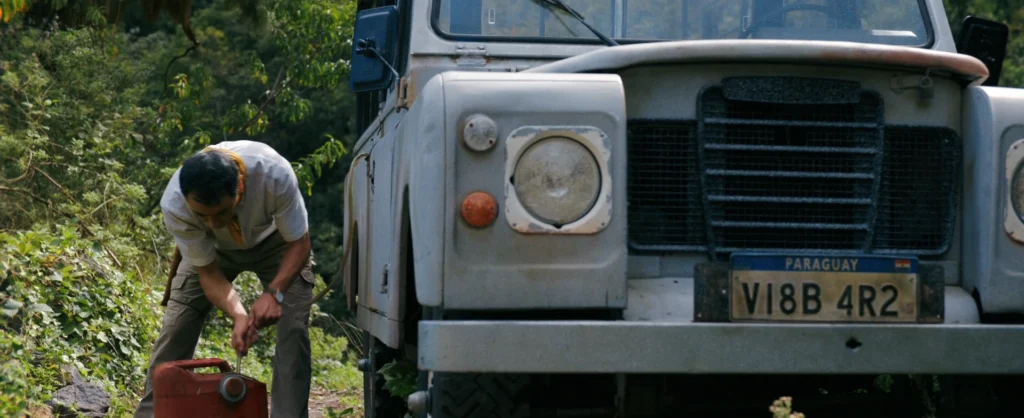
Manus leaving money for stolen gas reveals his belief in future restoration.
He behaves as if civilization will return, and his actions reflect that hope.
Even when currency is meaningless, morality remains valuable to him.
This sharply contrasts with Carol’s casual abandonment of social responsibility.
Faith as Shelter
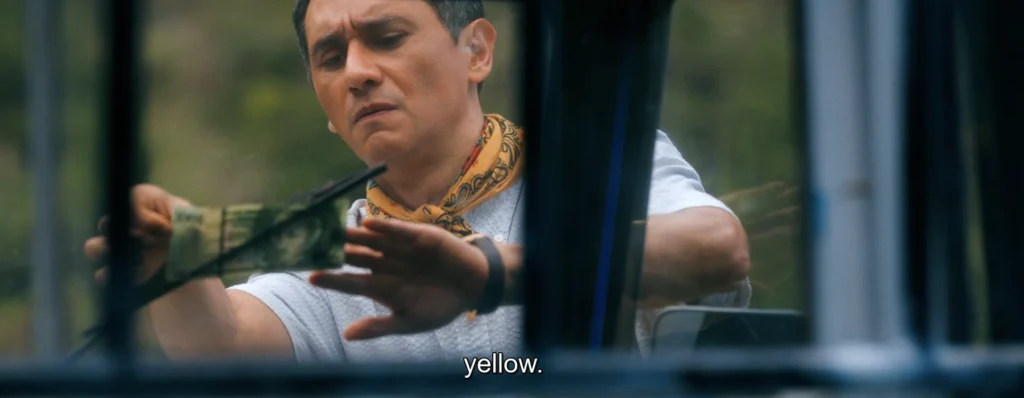
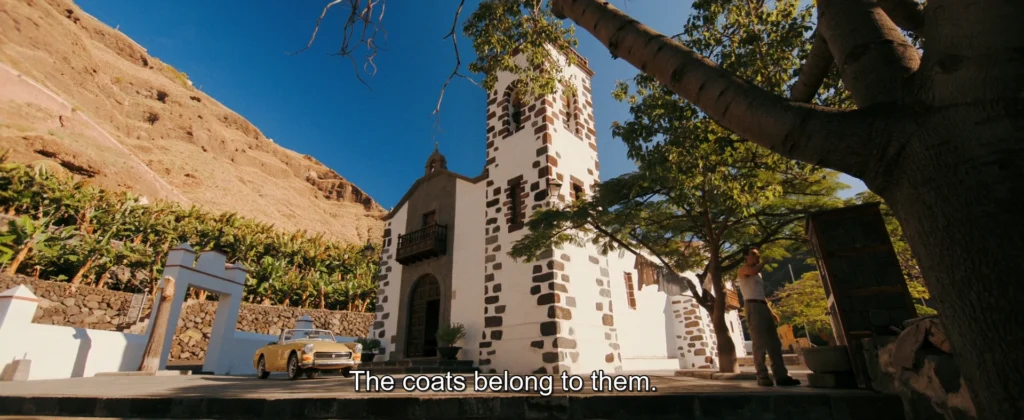
Manus, seeking refuge in the church, reinforces his belief that meaning still exists somewhere.
Faith becomes his emotional armor in a world stripped of human order.
Unlike the joined, who offer artificial safety, Manus trusts something beyond control.
This spiritual grounding allows him to resist assimilation more effectively than logic alone.
The Darien Gap as a Trial
The Darien Gap represents the ultimate test of human will against natural chaos.
Manus enters it willingly, understanding the risks without minimizing them.
His journey strips him down to instinct, pain, and repetition.
Unlike Carol’s distractions, his suffering has purpose and direction.
“Nothing Here Is Yours”
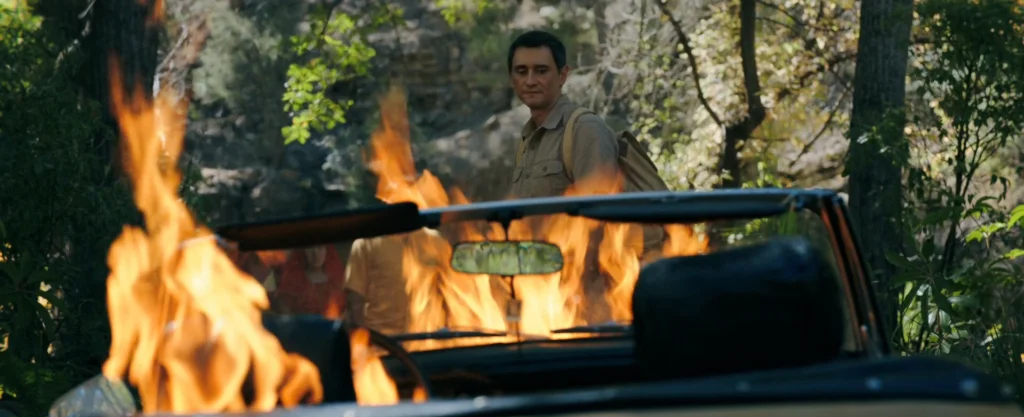
Manus’s confrontation with the joined delivers one of the episode’s most powerful lines.
By declaring everything stolen, he exposes the moral rot behind their utopia.
He would rather destroy what he loves than accept comfort built on violation.
That choice defines him as the show’s clearest moral compass so far.
The Fall and Forced Rescue
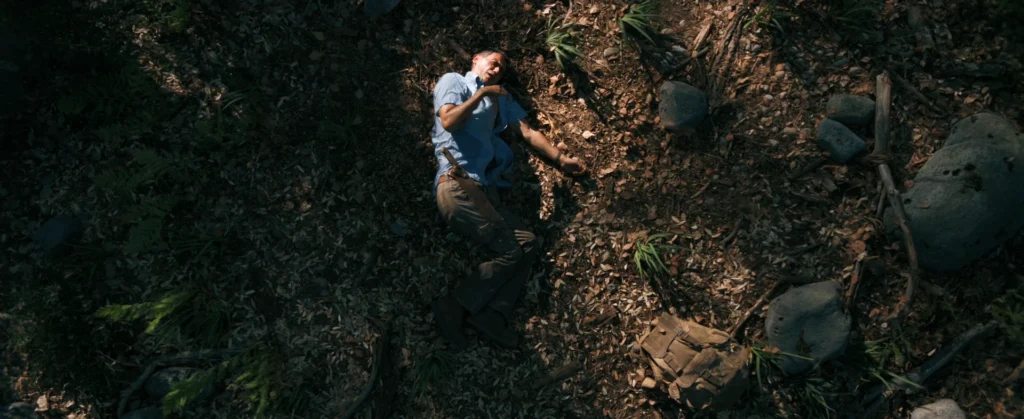
Manus’s injury feels inevitable, yet still shocking in its execution.
The suddenness reinforces how fragile human determination truly is.
His rescue without consent raises unsettling ethical questions about autonomy and survival.
The joined saving him feels less like mercy and more like ownership.
Time Jump – Loneliness as Punishment
The 36-day time jump shows Carol trapped in repetitive emotional stagnation.
Freedom without connection becomes psychological solitary confinement.
She repeats pleasures that once distracted her, but they no longer work.
Time itself becomes an enemy, stretching emptiness into something unbearable.
Fireworks as Self-Destruction
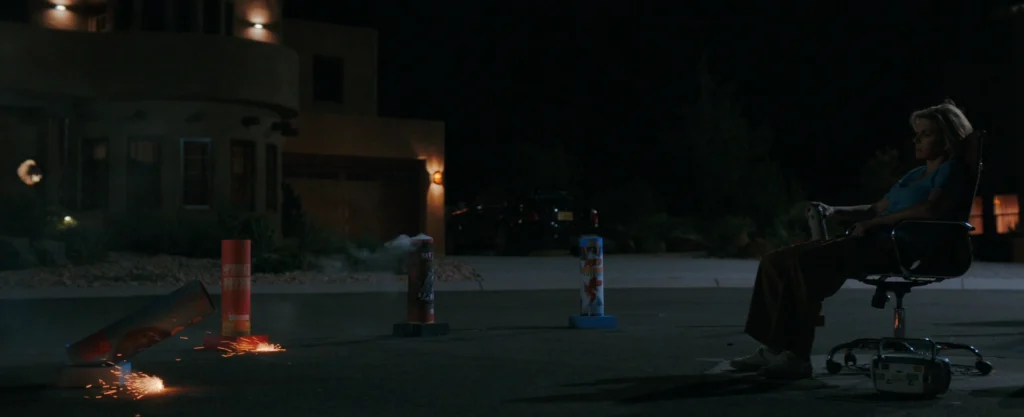
Carol, aiming fireworks toward herself, is deeply unsettling and intentionally ambiguous.
Whether accidental or deliberate, it reveals emotional numbness rather than recklessness.
She isn’t seeking death; she’s seeking sensation.
That distinction makes the moment even more disturbing.
“Come Back”
Writing “Come back” on the ground is Carol’s emotional surrender.
It’s the first honest request she’s made since rejecting the joined.
She isn’t apologizing yet, but she’s admitting need.
That admission changes everything about her trajectory.

Zosa’s Return
Zosa’s appearance hits with unexpected emotional force after prolonged isolation.
Carol’s breakdown shows how starved she’s been for human presence.
This isn’t about ideology or sides anymore; it’s about survival through connection.
Zosa represents familiarity, guilt, and unresolved responsibility.

Carol Finally Breaks
This episode doesn’t redeem Carol, but it finally humanizes her suffering.
We witness the cost of her independence in full clarity.
She wanted to be left alone, and now she understands the price.
Loneliness becomes the consequence she never anticipated.

Final Thoughts on Episode 7
Pluribus Episode 7 isn’t explosive, but it’s emotionally precise and thematically bold.
It strips away spectacle and focuses on internal consequences instead.
I wouldn’t call this filler, because transformation happens quietly but decisively.
Carol changes direction, Manus defines purpose, and the world feels heavier afterward.
Episode Ranking and Expectations
This isn’t my favorite episode visually, but it’s one of the most meaningful narratively.
Its power comes from discomfort rather than excitement.
I believe Manus is the true moral center of this story.
And I believe Carol’s real conflict is only beginning now.
More to Read
- Pluribus Season 01 Episode 01 Review
- Pluribus Season 01 Episode 02 Review
- Pluribus Season 01 Episode 03 Review
- Pluribus Season 01 Episode 04 Review
- Pluribus Season 01 Episode 05 Review
- Pluribus Season 01 Episode 06 Review
- Pluribus Season 01 Episode 07 Review
- Pluribus Season 01 Episode 08 Review
- Pluribus Season 01 Episode 09 Review