A Dark and Tense Beginning Sets the Episode’s Tone
Episode four opens with a tense atmosphere as a manual timer loudly clicks beside scattered radio frequencies on screen. This small but powerful detail instantly reminds viewers of the show’s usual countdown theme while shifting into a fresh direction.
The man using the timer is Manus, an elusive figure previously described as extremely difficult to contact. His behavior sharply contrasts with the carefree confidence shown by Kumba’s group, leaning more toward fear and heavy distrust.
Manus has isolated himself inside a dark storage unit where every window is covered and the gate is locked tight. This bleak setup perfectly reflects his belief that fear offers more safety than curiosity when surrounded by infected individuals.
Make sure to read the Pluribus episode 3 review
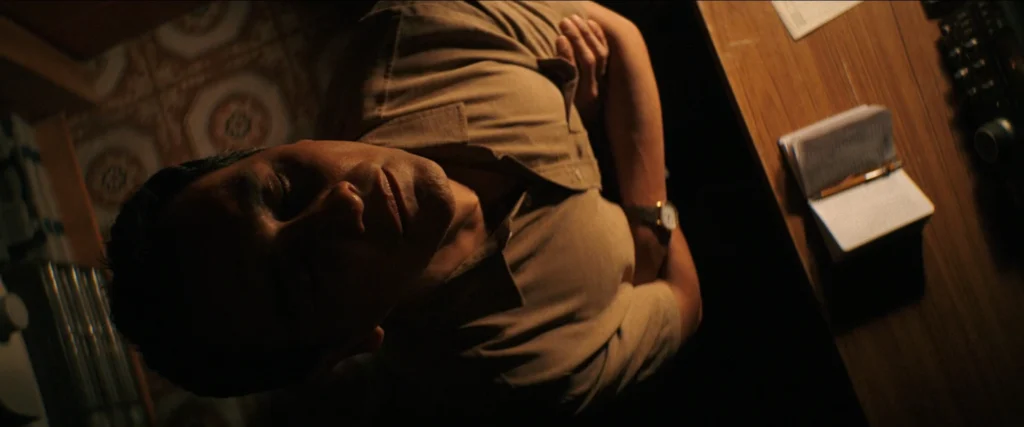
The episode shows Manus slowly starving as empty cans and buzzing flies surround him inside the unit. His refusal to eat food delivered by others highlights a realistic response shaped by panic and deep survival instincts.
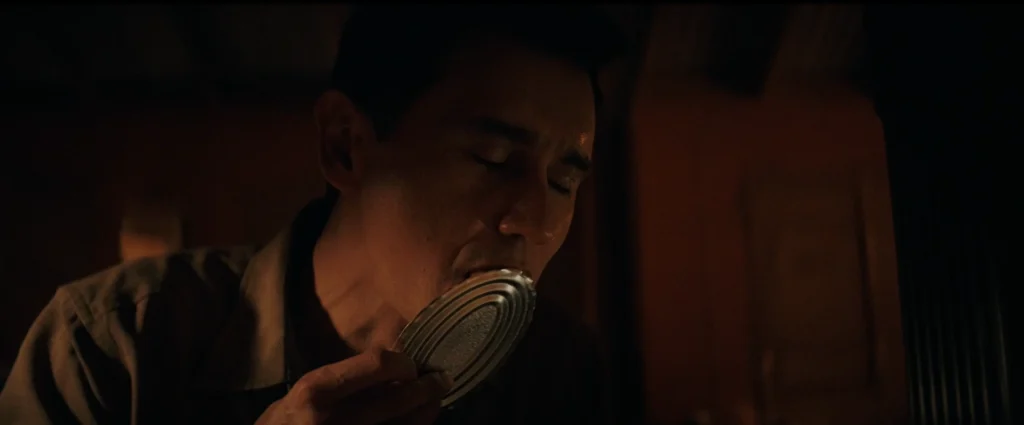
His desperation eventually leads him to break into nearby storage units and eat dog food to stay alive. This desperate moment captures a raw human reaction that feels painfully honest and genuinely grounded in fear.
When the phone rings, the timeline becomes clear as we hear Carol’s earlier calls from her plane returning from Bilbao. Manus avoids answering several times because he assumes every caller must be a collective member attempting manipulation.
Carol’s impatient insults finally convince Manus that she cannot belong to the hive mind. Her tone shows genuine frustration, giving him the first real human connection he has felt in three frightening days.
This opening sequence stands out as one of the strongest in the season because of its quiet tension. The show continues using powerful opening scenes similar to techniques seen in Breaking Bad and Better Call Saul.
Carol Walks Into a Changed World Seven Days After the Outbreak
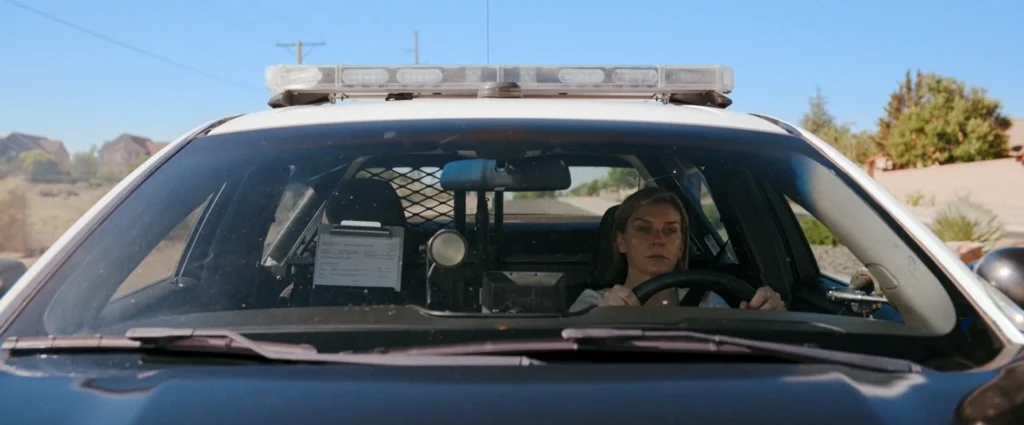
Carol’s storyline begins seven days after the outbreak as she walks out of a hospital covered in blood. She chooses to steal a police car instead of her damaged Chevy, symbolizing the chaotic freedom she now embraces.
Ignoring radio calls reinforces Carol’s belief that the collective’s friendliness is manipulative rather than sincere. Even when they offer to remove her alcohol interlock device, she refuses their attempts and drives away.
The interlock device serves as a subtle reminder that Carol struggles with a drinking problem linked to an unresolved past. This detail reappears throughout the series, hinting at deeper emotional wounds beneath her hardened personality.
When Carol reaches home, she notices the former mayor sweeping a driveway like any ordinary worker. His disheveled appearance shows how quickly social status has disappeared under the hive mind’s equalizing influence.
Inside the house, Carol studies her whiteboard filled with old notes from her Wicaro series. She chooses not to erase them because these memories remain her last connection to Helen and their shared life.
The new board lists observations about the collective, including her suspicion that they are “weirdly honest.” To test this theory, she confronts Larry, commonly called Shorty, with a deliberately challenging question about her books.

Larry Reveals Painful Truths That Shake Carol Deeply
Larry’s honesty test quickly proves the collective cannot lie, even when the truth hurts Carol. When she pushes for Helen’s real opinion, Larry admits Helen felt her unpublished novel was simply “meh.”
This revelation devastates Carol because Helen had encouraged her to publish that same book on the day she died. The emotional weight lands quietly but powerfully, exposing Carol’s vulnerability beneath her defensive anger.
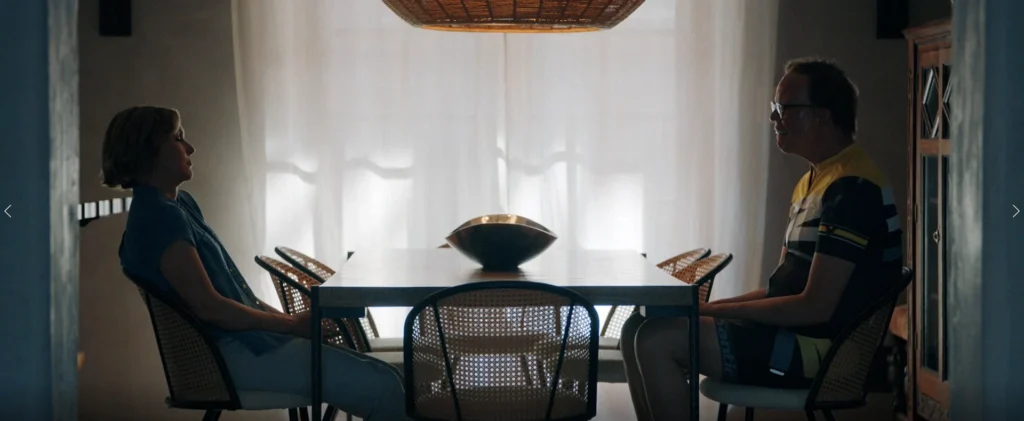
The scene’s camera work supports the tension with close-ups, shifting angles, and carefully chosen wide shots. Each cut creates a visual rhythm that echoes the show’s countdown theme while intensifying the emotional pressure.
Carol’s cruelty becomes more obvious when she coldly dismisses a fan whose life was saved by her writing. This response suggests success brought her little joy and may have even deepened her bitterness.
Helen’s dishonesty mirrors the collective’s behavior because both attempted to protect Carol from uncomfortable truths. This unexpected similarity sparks Carol’s next idea to exploit their biological honesty using carefully structured questions.
Carol Begins Targeting Zosia for Answers About the Collective
When Carol visits Zosia, she directly asks whether the joining can be reversed or undone. Zosia’s silence immediately reveals the truth because she cannot answer questions where honesty threatens the hive mind.
Zosia’s restrained unhappiness proves she wants to respond but is biologically unable to disobey the collective. Carol instantly recognizes the loophole, realizing unanswered questions hide the most dangerous truths of all.
This exchange unexpectedly reveals a softer side of Carol when she apologizes for harming Zosia earlier. Although partly manipulative, the moment hints at genuine regret hiding beneath Carol’s harsh exterior.
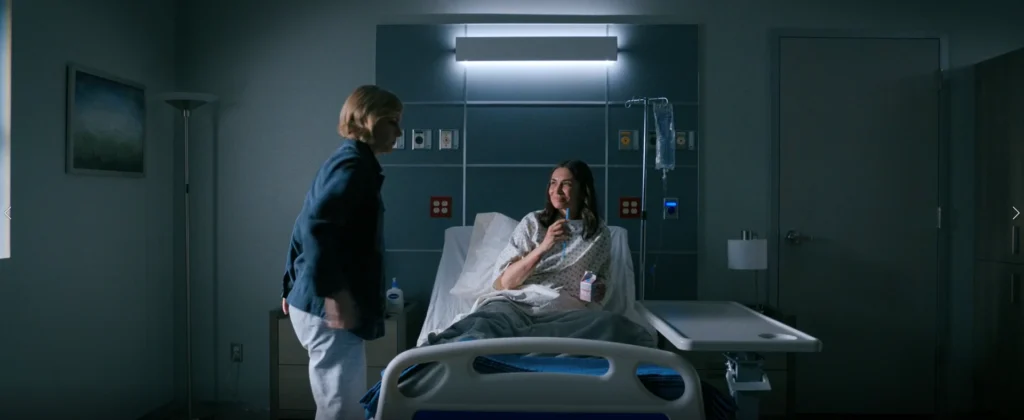
A Painful Flashback Reveals Carol’s Traumatic Youth
During the conversation, Carol remembers her past at Camp Freedom Falls, a deeply traumatic conversion camp. At sixteen, she was forced into this environment where workers tried to change her identity through emotional manipulation.
Zosia unknowingly repeats comforting phrases similar to those used at the camp, triggering Carol’s buried trauma. The collective’s attempts to convert her mirror the emotional pressure she endured during those painful teenage years.
Zosia claims they love everyone equally, including the worst kinds of people. This disturbing statement suggests violent and immoral individuals are blended into the hive without clear moral boundaries.
Carol’s unresolved issues with her mother highlight why she drinks and struggles with emotional honesty. Feeling unloved during her youth may have shaped the bitterness and defensiveness she carries through adulthood.
Carol’s Plan Takes Shape Inside the Hospital Pharmacy
Later, Carol searches the hospital for thiopental sodium, a chemical often labeled a truth serum. She hopes lowering inhibitions might force collective members to reveal information normally blocked by biological limits.
Before using it on others, Carol injects herself with the drug and records the process. The footage shows her repeating “I miss you” in a fragile, emotional voice, exposing the depth of her grief.
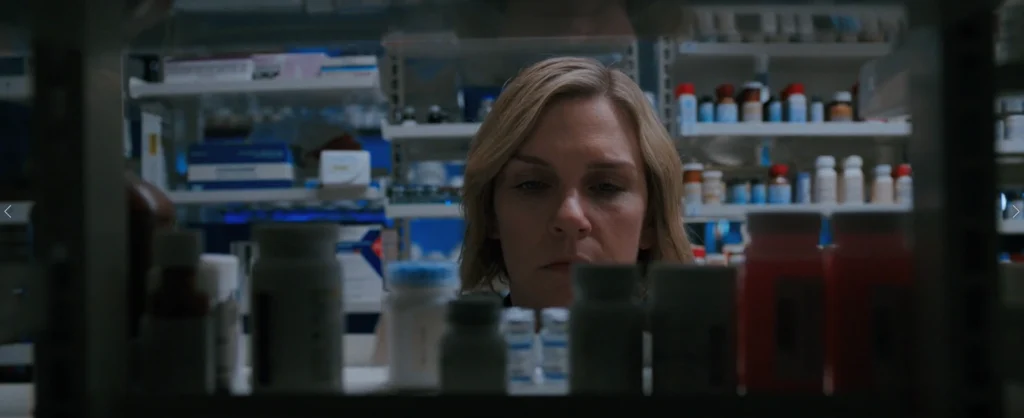
The recording forces Carol to confront emotions she has tried desperately to bury since Helen’s death. Seeing her own vulnerability overwhelms her, revealing heartbreak she cannot face without chemical assistance.
This tragic scene becomes one of the episode’s most memorable moments because it exposes Carol’s true emotional core. Beneath her hardened cruelty lies a woman devastated by loss and terrified of acknowledging her pain.
Carol’s Experiment on Zosia Leads to a Terrifying Reaction
Inspired by the drug’s effects on herself, Carol injects Zosia with thiopental sodium to force answers. Zosia immediately begins seizing, showing the hive mind reacts violently when its rules are chemically interrupted.
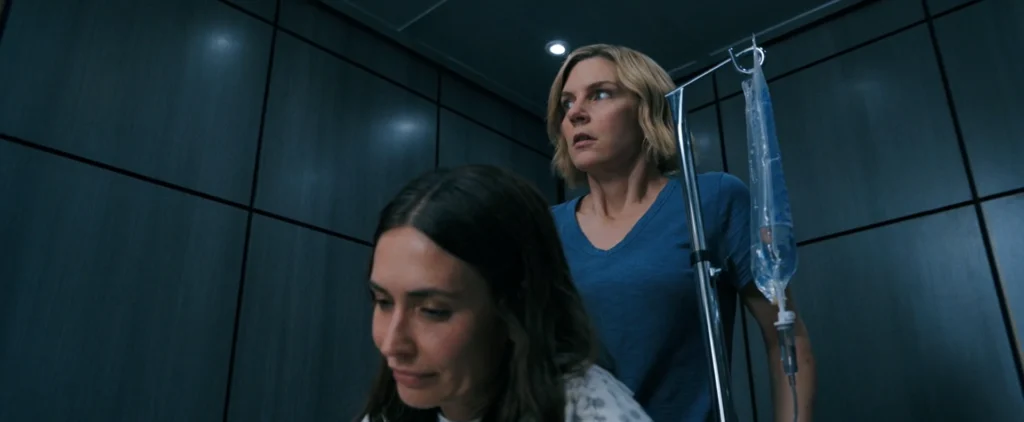
The convulsions resemble earlier episodes where anger and stress caused similar physical symptoms. These reactions create consistency in how the virus behaves and reinforce its strict biological boundaries.
This moment becomes the second time Zosia nearly dies because of Carol’s actions. Carol panics as she watches the seizure, revealing real fear and unexpected compassion for someone she previously treated harshly.
Her reaction suggests she does not want innocent people harmed, despite her cold and often cruel behavior. This surprising empathy adds complexity to her character and hints at a deeper internal struggle.
The police car she stole earlier finally becomes relevant because its tools help set up the dangerous experiment. Without that vehicle, Carol would not have been able to create such a dramatic and risky situation.
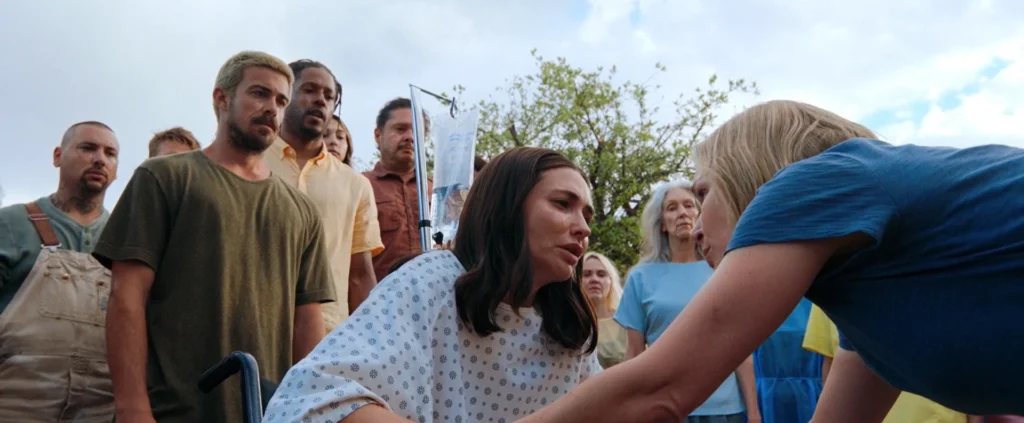
A Powerful Episode Filled With Tension, Emotion, and Revelation
Episode four stands out because it blends emotional depth with important discoveries about the hive mind. It balances Manus’s paranoia, Zosa’s vulnerability, and Carol’s trauma to create the season’s strongest chapter yet.
The episode succeeds by focusing on human reactions rather than the sci-fi mechanics of the infection. These grounded responses make the story feel believable, frightening, and emotionally engaging at every moment.
With Manus now positioned as a crucial ally and the honesty rule fully exposed, future conflict feels unavoidable. Carol’s experiments push her into dangerous territory, raising emotional and physical stakes for every character.
The closing moments leave viewers with lingering tension as Carol processes everything she has learned. Her choices now carry massive consequences, and the emotional damage haunting her will shape the episodes ahead.
More to Read
- Pluribus Season 01 Episode 01 Review
- Pluribus Season 01 Episode 02 Review
- Pluribus Season 01 Episode 03 Review
- Pluribus Season 01 Episode 04 Review
- Pluribus Season 01 Episode 05 Review
- Pluribus Season 01 Episode 06 Review
- Pluribus Season 01 Episode 07 Review
- Pluribus Season 01 Episode 08 Review
- Pluribus Season 01 Episode 09 Review