Carol Reaches a Breaking Point After Three Episodes of Rising Pressure
This episode opens with a quiet yet powerful reminder that Carol has been trapped inside an impossible situation for far longer than she can truly process. After three episodes of emotional strain and constant tension, we finally see her mind latch onto a single idea that might help her escape this nightmare.
How a Frozen Flashback Reveals the Real Architecture of Carol’s Mind
The story jumps back roughly 200 days before the joining and places us inside an icy memory that immediately sets the emotional tone. Carol views the world through several blocks of ice, reminding us how disconnected she has always been from the simple joys around her.
Carol’s reactions in this flashback mirror her behaviors from the previous episode 1 and episode 2, where she resisted every attempt at change or adventure. Instead of admiring the aurora or the beautifully crafted ice sculpture before her, she only worries about how terrible it will feel to sleep on a bed carved from ice.
Her wife, Helen, plays the same role the couple now attempt to play, trying to make her happy even when Carol resists every new experience. She wants her own bed, her own rules, and her familiar routines rather than embracing anything new or uncomfortable.
Helen’s hopeful enthusiasm becomes a gentle foreshadowing of the themes that run throughout this episode’s emotional arc. We see that Carol has always pushed away the unexpected, and the ice-bed moment quietly prepares us for the decisions she makes later in the episode.

How the Joined Try to Shape Carol’s World to Keep Her Calm
Even the Airplane Scene Shows How Desperately They Want Her Happy
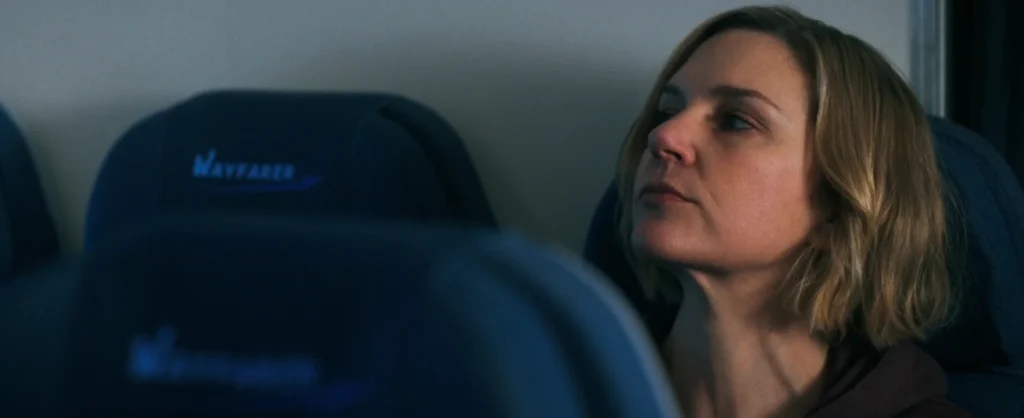
Back in the present timeline, Carol returns to the airplane where the joined replace the TGI Fridays waitress with former airline pilots trying to appear comforting. Their coordinated attempt to ease her fear mirrors Helen’s earlier effort during their icy vacation.
Just like Helen, they tried far too hard to force happiness into Carol’s life rather than understanding what she genuinely needs. Their programmed politeness feels strange and hollow, creating a layer of discomfort that keeps Carol emotionally distant from their intentions.
Carol Believes She Rescued Zosa, But Reality Turns That Moment Sideways
Last episode ended with Carol pulling Zosa away from Casanova McBoner in what appeared to be a heroic rescue. But episode three reframes this moment by revealing that Zosa will still experience what every other woman endured, meaning Carol’s intervention changed nothing.
This realization forces us to rethink Carol’s motivation, suggesting her rescue attempt may not have been purely selfless. She enjoys having Zosa around, and loneliness gradually becomes an unbearable weight as the episode progresses.
Individualism vs. Collectivism Takes a Lonely New Shape
Carol Finds a Kindred Spirit, Only to Be Rejected Again
She eventually makes contact with another independent thinker, a grumpy man from Paraguay who hates what the joined have done. But even he rejects her, showing how extreme individualism leaves both of them isolated with no true human connection.
This small moment reveals a painful truth about Carol’s worldview that carries directly into the episode’s final scenes. She sees herself as fiercely independent, yet she is emotionally trapped by the weight of having no one left to understand her.
A Pile of Old Mail Breaks Carol Open in a New Way
The Final Pieces of Helen’s Memory Hit Harder Than Expected
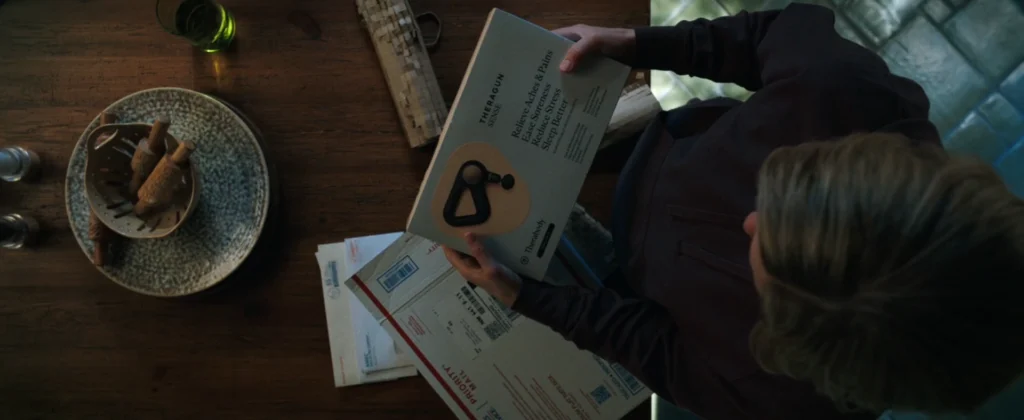
The joined gather all of Carol’s mail and deliver it to her as a thoughtful surprise, believing it will make her happy. Instead, the moment becomes heartbreaking because this will likely be the last time she ever sees Helen’s name on an envelope.
The musical score shifts as she flips through the letters, marking the emotional shift with a quiet, careful sadness. It also highlights how the joined misunderstand human feelings because they treat the moment like a simple act of kindness.
The Massager Scene Reveals the Limits of Their Emotional Understanding
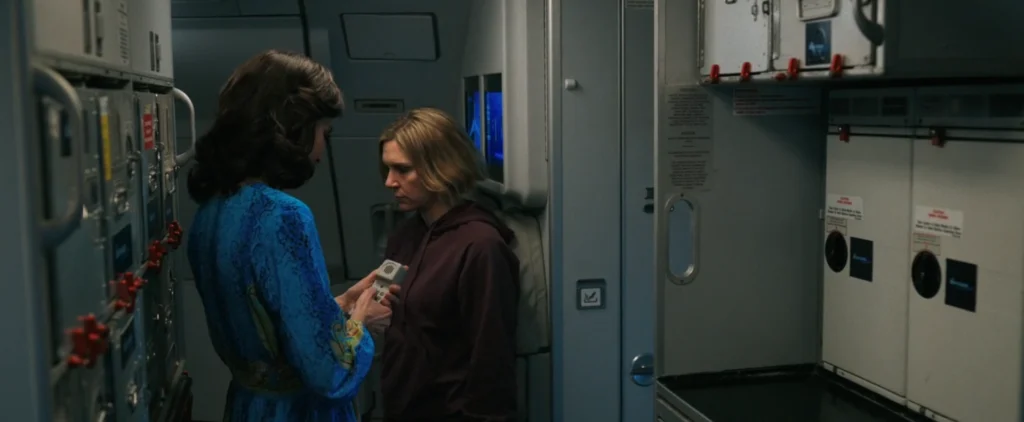
They offer her a massager she once tried at an airport, assuming it will soothe her because Helen once liked it. Instead, the gesture deeply unsettles her because it exposes how the joined have chipped away at the last pieces of her wife’s memory.
As Carol’s reflection blurs and then focuses back on Helen’s grave, the episode visually confirms how far she has drifted from everything she once understood. Her memories have become her final connection to Helen, and even those are being stripped away.
Golden Girls, Reflections, and the Subtle Art of Showing Loneliness
Comfort Television Becomes Carol’s Only Refuge
Carol watches The Golden Girls, clinging to the familiar warmth of friendship portrayed on the show. Rose’s two monologues about strange acts of kindness and cheerful self-sacrifice subtly hint at Zosa’s later decision.
These scenes are framed through reflections on the DVD and television screens to emphasize how Carol’s current life feels like a faded mirror of her old one. She is surrounded by images of companionship, yet she remains completely alone.
Breakfast, Browsing, and the Grocery Store That Breaks Her Illusion
Every Meal Is a Choice, But No Freedom Remains
A breakfast tray arrives and is shot from an angle that makes it appear alien and almost threatening. This visual trick reinforces how the joined constantly misinterpret her tastes because they have information, but not emotional context.
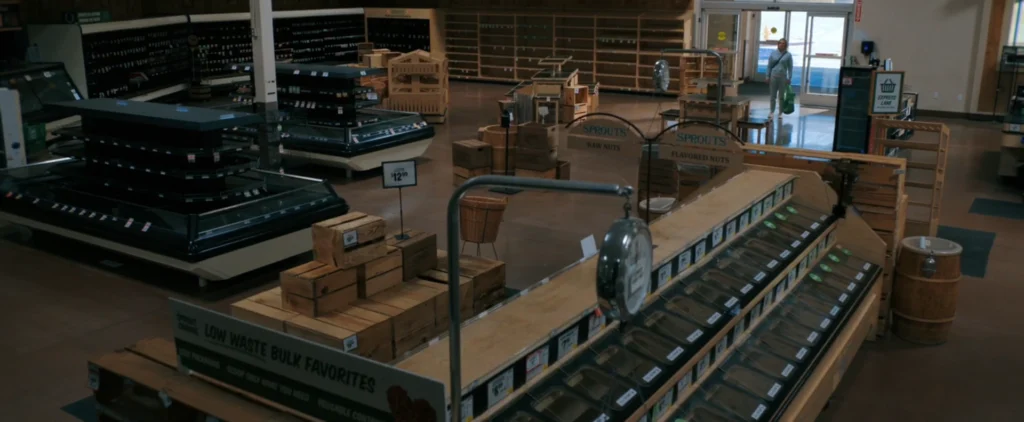
Carol returns to her favorite grocery store and finally realizes how fragile her idea of independence really is. The food she once chose freely always depended on countless invisible workers, suppliers, and systems that she never considered.
The Grocery Scene Becomes the Episode’s Most Powerful Visual Metaphor
The cinematography isolates Carol within the store using distant framing, blocked angles, and reflective surfaces. She is surrounded by people and movement, yet every shot ensures she remains visually and emotionally separated.
The trucks with ice imagery echo her icy flashback, silently linking Helen’s gentle intentions to the joined’s misguided attempts at kindness. Every shot reinforces that Carol’s world, once familiar and predictable, is now slipping away from her grasp.
A Live Grenade Turns a Sarcastic Joke Into a Critical Turning Point
The Joined Take Her Words Literally, and Things Escalate Quickly
When Carol sarcastically mentions that a hand grenade could fix her problems, they joined deliver an actual grenade. Their inability to grasp sarcasm mirrors the limitations of modern AI, which often misinterprets emotional nuance.
The grenade becomes a symbolic centerpiece, sitting between Carol and Zosa during their uncomfortable conversation. It represents both literal danger and the emotional explosion building inside Carol as her loneliness reaches a breaking point.
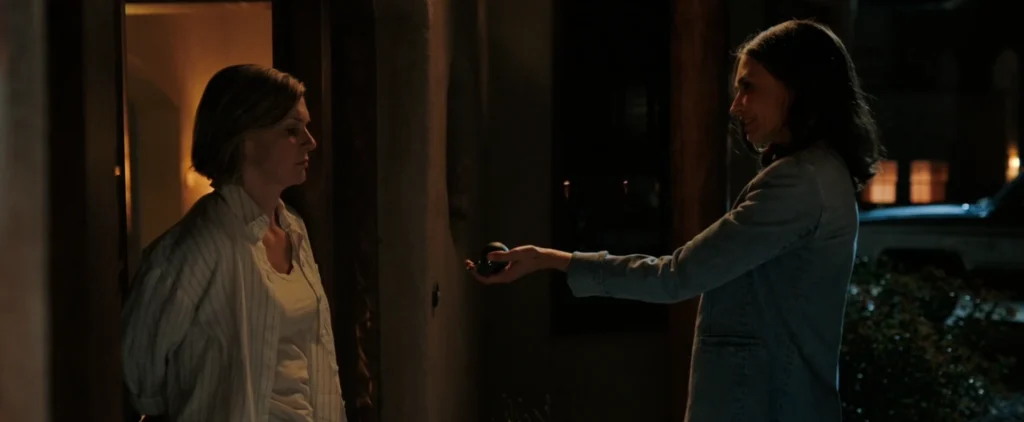
Carol and Zosa Share a Moment That Is Real, Yet Not Fully Human
Zosa tells her that “cheers” in her native language means “may everyone be blessed,” reflecting the joint’s mission to bring global happiness. But Carol cannot enjoy the drink because she has already experienced the memory of its taste.
Their conversation unfolds like a dialogue with an AI, where Zosa offers facts instead of genuine curiosity or emotional presence. The split-diopter shots reveal that while their bodies share the same space, their minds are worlds apart.

When Carol Pulls the Pin, Everything Changes
Her Breaking Point Comes From Pain, Not Rebellion
Carol realizes the joined want her happy while simultaneously trying to absorb her into their collective. This contradiction becomes unbearable, especially when Zosa references Helen’s memories again.
Carol reaches for the grenade, not fully believing it is real, yet not caring if it is. In that terrifying split-second, she accepts that she might die because she sees no escape, no support system, and no future she can survive in.
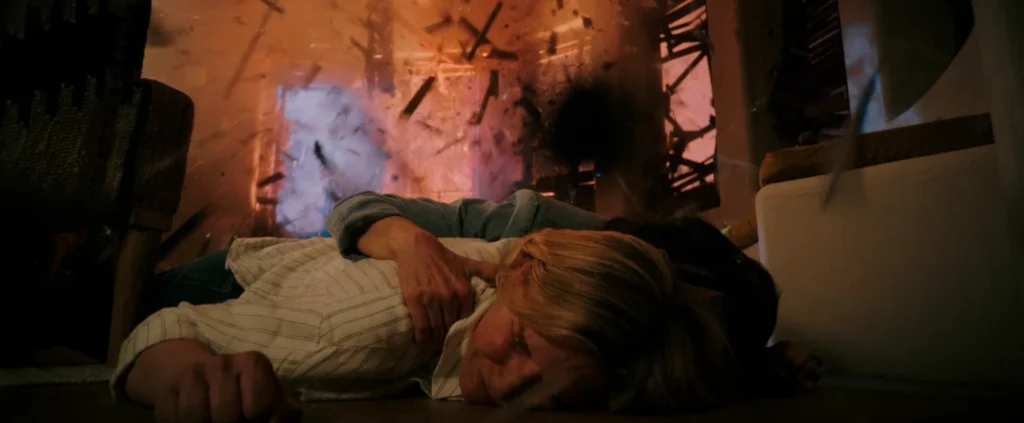
Zosa’s Sacrifice Becomes the Episode’s First Genuine Human Connection
The explosion leaves Carol frantic and desperate as she rushes toward the injured Zosa. A handheld camera chases her forward, matching her chaotic emotional shift as she reaches out for connection rather than isolation.
For the first time in the series, Carol genuinely wants to help another person rather than push them away. The faint sound of sirens signals that the joined are responding, not with anger, but with deep concern for her wellbeing.
The DHL Messenger Delivers More Than Just News
A Tilted Frame Shifts the World to Reflect Carol’s New Reality
In the hospital waiting room, a DHL worker approaches to deliver an update about Zosa’s condition. The camera tilts sideways, making the world feel unstable and signaling that something strange is happening again.
The worker represents the massive global network Carol once took for granted, tying the moment to the earlier grocery store metaphor. He delivers the good news with a calmness that feels eerily unnatural, hinting that this entire exchange is not as human as it seems.

Final Thoughts: Episode 3 Becomes the Emotional Center of Pluribus
This episode pushes Carol into the deepest corners of her loneliness, revealing how her stubborn independence has isolated her for years. By the end, her attempted escape, her grief, and her desire for connection collide in a moment that changes the trajectory of the entire season.
Just like the grenade sitting between her and Zosa, Carol becomes a quiet explosive force ready to reshape everything around her. This episode shows that Pluribus is not just about the collective but about one woman trying to rediscover the meaning of being human.
More to Read
- Pluribus Season 01 Episode 01 Review
- Pluribus Season 01 Episode 02 Review
- Pluribus Season 01 Episode 03 Review
- Pluribus Season 01 Episode 04 Review
- Pluribus Season 01 Episode 05 Review
- Pluribus Season 01 Episode 06 Review
- Pluribus Season 01 Episode 07 Review
- Pluribus Season 01 Episode 08 Review
- Pluribus Season 01 Episode 09 Review